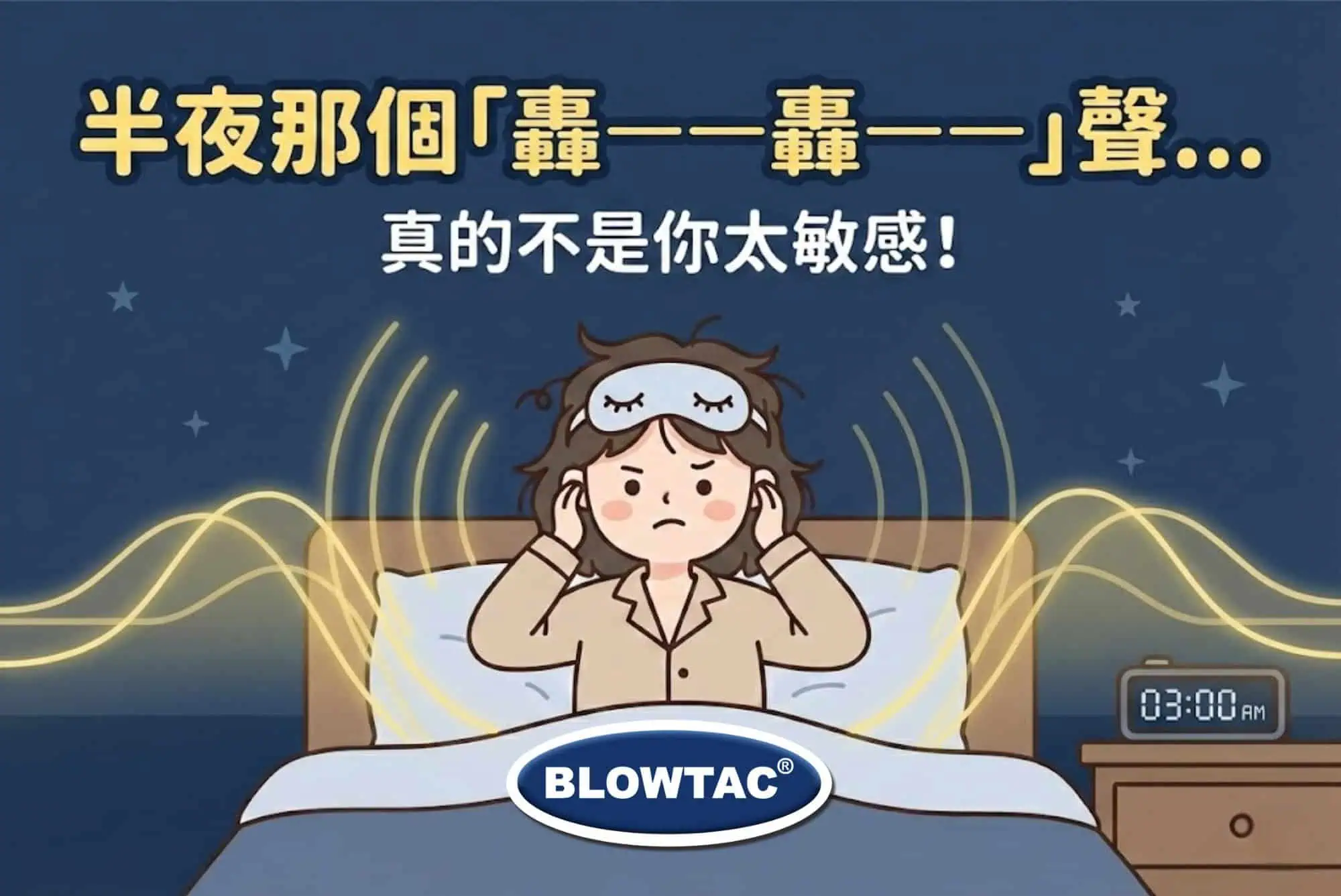
Have you ever had this experience: you've already turned off the lights and gone to bed, but you hear a low-frequency "boom-boom" sound coming from the basement? The volume may not be loud, but the continuous low-frequency vibrations throughout the night feel like constant tapping on the side of your head, ultimately leading to poor sleep quality and daytime lethargy.
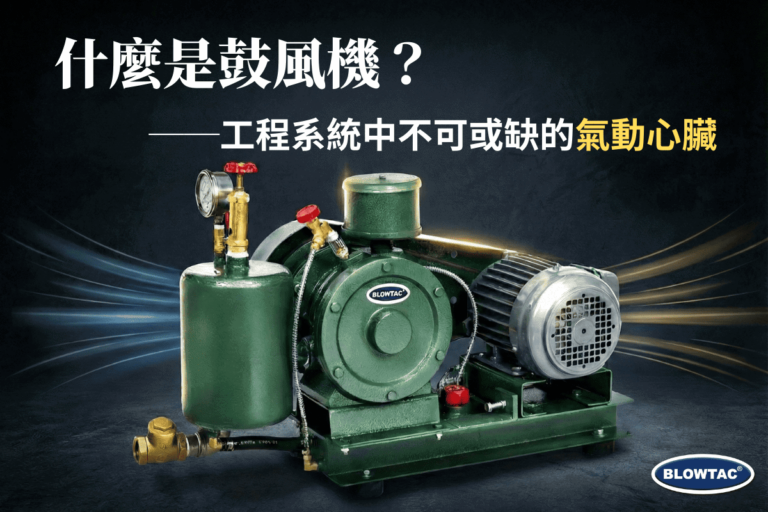
Many people mistakenly believe this is a problem with poor building sound insulation, but after our BLOWTAC team conducted on-site inspections in numerous communities, the real culprit was almost identical—The basement contains an old "Luxe blower (wastewater aerator)"..
The fatal flaw of low-frequency resonance: Why do old equipment cause residents to protest?
As the core of community septic tanks or wastewater treatment systems, traditional Roots blowers, if not properly designed for noise reduction or due to equipment aging, typically lead to the following three major engineering problems:
- Operating noise level is too high:Traditional equipment often produces noise levels exceeding 90 decibels when in operation, severely impacting the peace and quiet of basements and lower floors.
- Structural low-frequency resonance:Equipment vibrations travel upwards along building walls, beams, columns, and pipes. This low-frequency noise is particularly noticeable late at night, has strong penetrating power, and is a major cause of community complaints and conflicts.
- Excessive energy consumption:The old motors are inefficient, not only noisy, but also increase the community management committee's public electricity expenses.
This is not because residents are being overly sensitive, but because the engineering equipment has indeed reached the point where it needs to be replaced.
Management Committee's Noise Reduction and Upgrade Solution: BLOWTAC Silent Rotary Blower
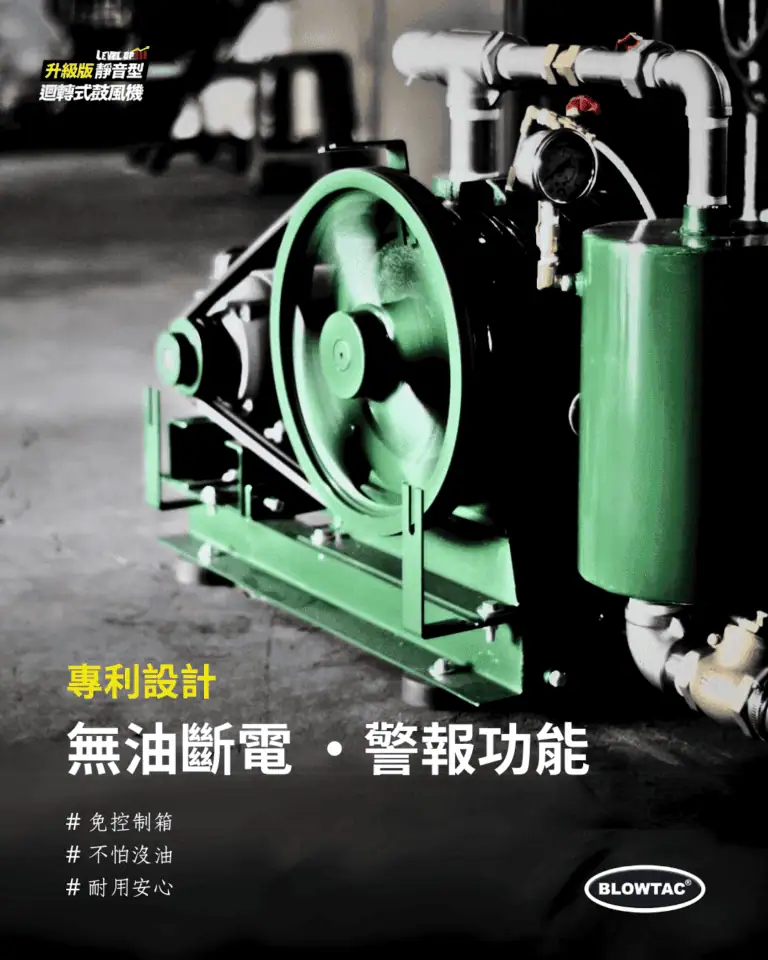
To address the noise pollution issues in residential buildings, BLOWTAC has redesigned its systems specifically for communities and medical institutions.「Upgraded version - Silent rotary blower"Through meticulous engineering improvements, we have minimized noise and vibration:
| Performance evaluation indicators | Traditional old blower | BLOWTAC Silent Rotary Blower |
|---|---|---|
| Operating volume | > 90 decibels (requires shouting to communicate) | 60-80 decibels (close to normal conversation volume) |
| Low-frequency resonance control | Strong vibrations are easily transmitted along the wall surface. | The operation is extremely stable, significantly reducing structural resonance. |
| Energy efficiency | High power consumption increases public utility electricity costs. | Variable frequency energy-saving design reduces long-term operating costs. |
| Applicable fields | General factories, outdoor open spaces | Residential communities, medical institutions, and other places requiring quiet environments |
After replacing equipment, many community management committees have not only seen improvements in residents' sleep quality but have also directly eliminated internal protests and conflicts. Addressing aging equipment early is the most effective investment in improving the quality of life in a community.
Schedule a free on-site inspection: End the community noise conflict
Noise problems that are left unaddressed often escalate into serious resident disputes. If your community is currently experiencing similar low-frequency noise from blowers, please contact the BLOWTAC professional engineering team immediately.
We provide professional on-site testing and evaluation services to help the management committee clarify the following key points:
- The aging status and operating data of existing blowers.
- The transmission path and range of influence of low-frequency resonance.
- Whether there is a need for upgrading, improvement, or complete replacement, and a budget assessment.
First, clarify the situation with data, and then make scientific decisions to make the management committee and residents feel more at ease.
👉 Click here to contact BLOWTAC Motors for professional consultation and on-site assessment.